Autopapyrus · Mercedes-Benz Actros 10.7 OM470 (2019)
https://autopapyrus.com/guides/mercedes-benz/actros/valve-train-diagnostics-and-adjustment/
https://autopapyrus.com/guides/mercedes-benz/actros/valve-train-diagnostics-and-adjustment/
Compiled automatically from service literature and owner experience. Specs are for the typical configuration — check them against your exact car before you start.
Mercedes-Benz Actros 10.7 OM470 (2019): Valve Train Diagnostics and Adjustment
The OM470 is an inline 6-cylinder 10.7 L diesel with two overhead camshafts and four valves per cylinder. The valve train is gear-driven, not belt- or chain-driven, so there is no scheduled belt or chain replacement. Service comes down to checking and adjusting valve lash, inspecting the rocker arms and valve bridges (including the engine brake), and diagnosing noise and timing faults. Take the exact procedure and lash values from the manufacturer's service data for your engine version.
Part
- 🔩 Cylinder head cover gasket, injector sleeve and connector seal kit as needed, engine oil meeting MB 228.51 / 228.31 (confirm the approval for your engine). Prices for the gasket and seal kit vary widely by supplier
Step by step
10 steps- Identify the symptom: a constant metallic knock from the top of the engine, loss of power, camshaft or crankshaft position fault codes, increased oil consumption, or noise when the engine brake is used. The symptom determines the scope of work: a simple adjustment or a teardown of the mechanism.
- The engine must be completely cold. Shut it off, disconnect the battery ground, and secure the truck with the parking brake and wheel chocks. If the cab tilts, tilt it according to the instructions and make sure it is securely locked in place.
- Clean the area around the cylinder head cover to remove dirt. Remove any air ducts and wiring harnesses that block access, and label the connectors. Open up access to the cover. It is held by bolts, which you will later tighten evenly and in the specified sequence.
- Remove the cylinder head cover and inspect the mechanism: rocker arms, shafts, valve bridges, adjusting screws, and camshafts. Look for scoring, pitting, heat discoloration (bluing), play, and signs of oil starvation.
- Turn the crankshaft with the barring tool to TDC of cylinder 1, using the marks and the locking pin. The position must match the marks on the gears and the flywheel. The drive gears are on the flywheel side. If the marks are misaligned, the gear train must be disassembled, which is a job for a specialist shop.
- Check lash with a feeler gauge on the valves that, according to the adjustment sequence, are unloaded (closed, off the cam lobe) in this position. Then turn the crankshaft to the required angle and check the rest. Intake and exhaust valve lash differ. Take the values and sequence from the manufacturer's service data for your power rating.
- If lash is out of tolerance, loosen the adjusting screw locknut, set the lash with the feeler gauge while holding the screw, tighten the locknut, and recheck the lash after tightening. Follow the specified torque for the locknuts and the cover. Do not tighten by feel.
- Check the lash in the engine brake mechanism separately, if it is adjusted with a separate screw. Do not skip this operation: incorrect adjustment damages the valves and bridges.
- Replace the cover gasket, clean the mating surfaces, install the cover, and tighten the bolts evenly in the sequence specified by the manufacturer. Reconnect the connectors and ducts.
- Add oil if needed, start the engine, and let it idle. Check for oil leaks, unusual noises, and warnings on the instrument cluster. Then take a test drive and inspect the cover for leaks once more.
Common mistakes and warnings
- Do not crank the engine with the starter while valve train components are removed, and do not adjust lash on a hot engine. An error in timing or engine brake lash can cause a valve to hit a piston and lead to a costly repair. If the gear marks do not line up, or you suspect camshaft wear or drive damage, do not continue on your own. Take the truck to a shop that specializes in Mercedes-Benz trucks. Tilting the cab and working beneath it is dangerous, so use the factory mechanism and the safety support.
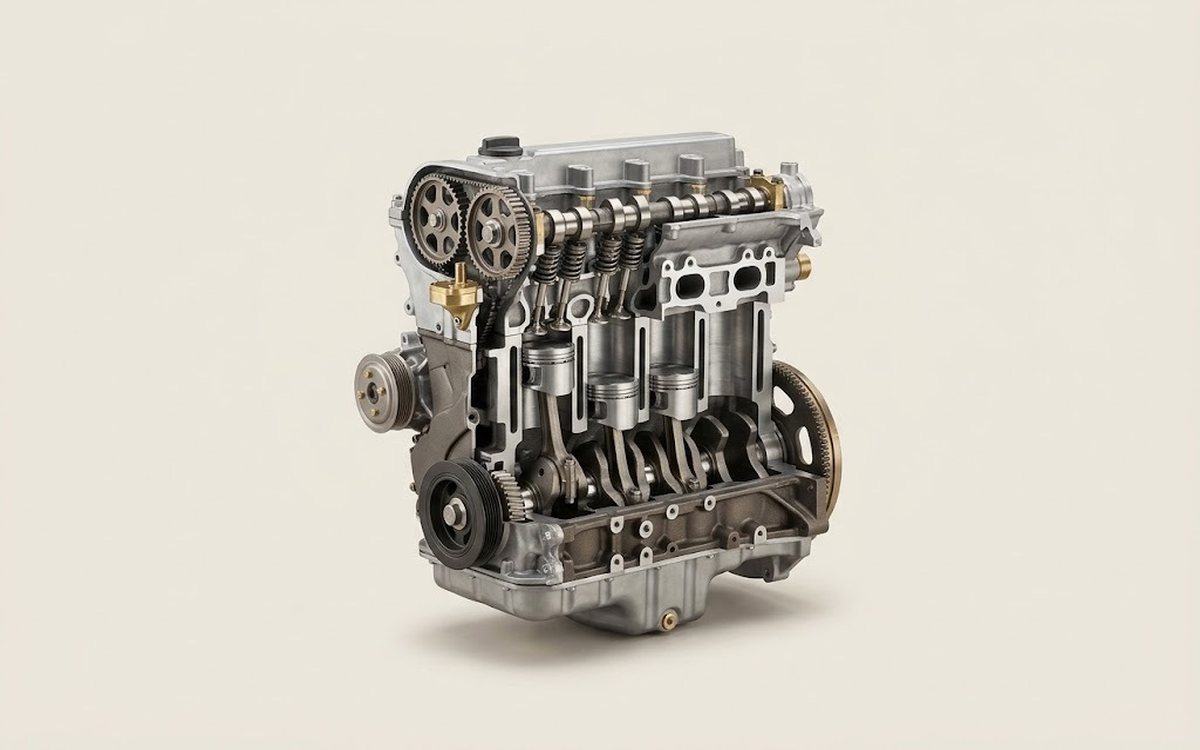 How it works · 3D
How a Car Engine Works
How the part you're working on actually works — in plain English, on a 3D model.
Open in 3D →