Autopapyrus · Chevrolet Aveo 1.6 F16D4 (2014)
https://autopapyrus.com/guides/chevrolet/aveo/coolant-pump-water-pump-replacement/
https://autopapyrus.com/guides/chevrolet/aveo/coolant-pump-water-pump-replacement/
Compiled automatically from service literature and owner experience. Specs are for the typical configuration — check them against your exact car before you start.
Chevrolet Aveo 1.6 F16D4 (2014): Coolant Pump (Water Pump) Replacement
On the F16D4 engine, the water pump is driven by the toothed timing belt, so it is replaced together with the belt and pulleys. The job requires precise valve timing alignment. If you have no experience with timing belts, it is better to leave it to a repair shop.
Parts
4| № | Part | Alternatives |
|---|---|---|
| 01 | Coolant pump (water pump) for | |
| 02 | Timing kit (timing belt, tensioner pulley, idler pulley)replace together with the pump | Gates, Dayco, Contitech, SKF |
| 03 | Pump gasket or O-ringincluded in the pump kit | |
| 04 | Dex-Cool type coolant (orange, extended life)about 6-7 L (6.3-7.4 qt), with some extra |
Tools
10- Socket and wrench set 8-19 mm
- torque wrench
- crankshaft pulley socket
- jack and jack stands
- pulley holding tool (or pry bar)
- coolant drain pan
- funnel
- hose or syringe for bleeding air
- clean lint-free rags
- paint marker for alignment marks
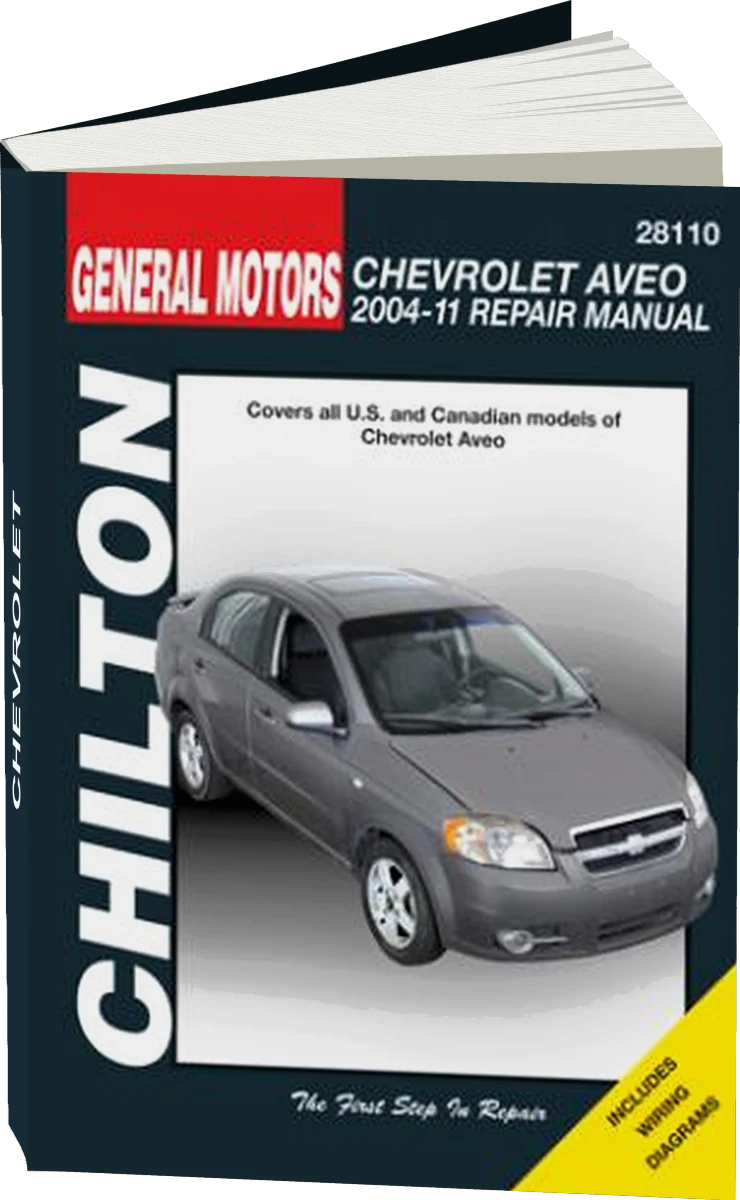 There's a full repair manual for this car
Every system, wiring diagrams and torque specs — not just this job. Chilton and 4 more.
See manuals →
Step by step
15 steps- Shut off the engine and let it cool down. Disconnect the negative battery terminal. Remove the engine undercover (if fitted).
- Drain the coolant through the lower radiator hose or the drain plug, using a drain pan. Do not drain hot coolant: it is toxic and under pressure.
- Raise the front right wheel off the ground and remove it. Remove the right fender liner or part of it to reach the crankshaft pulley.
- Remove the accessory drive belt: release the tensioner and slip the belt off the pulleys.
- Support the engine from below with a wooden block under the oil pan, then remove the right engine mount with its bracket to get access to the lower and upper timing covers.
- Remove the upper plastic timing cover and the lower one. Unscrew the crankshaft pulley bolt and remove the pulley (lock the crankshaft with a holding tool, not by the belt). Follow the manufacturer's specification for the pulley bolt torque. On this engine family the bolt is tightened in several stages with an additional angle turn, so it is best to use a new bolt rather than reuse the loosened one.
- Turn the crankshaft clockwise by the bolt and align the timing marks on the camshaft pulleys and on the crankshaft toothed pulley with the marks on the housing. Hold this position and put reference marks on the belt with paint. Do not turn the crankshaft or the camshafts after this.
- Loosen the tensioner pulley and remove the timing belt. Remove the tensioner and idler pulleys.
- Unscrew the pump mounting bolts (usually several M6-M8 bolts) and remove the pump. Clean the mating surface of the engine block of sealant residue and dirt. Nothing should fall into the block.
- Install the new pump with a new O-ring or gasket. Tighten the bolts in a crisscross pattern. Use the manufacturer's torque specification. As a guideline, bolts of this size are tightened to 8-25 N·m (6-18 lb-ft), depending on diameter.
- Install the new pulleys and the timing belt. Check that all marks line up, then adjust the belt tension with the tensioner pulley using the mark or pointer on it.
- Turn the crankshaft by hand through 2 full revolutions and make sure the marks line up again and the belt is tensioned correctly. If the marks do not line up, remove the belt and repeat the installation.
- Install the timing covers, the crankshaft pulley (new bolt, torque and angle turn per the manufacturer's specification), the engine mount, the accessory drive belt, the fender liner and the wheel. Tighten the wheel nuts in a crisscross pattern to about 100-110 N·m (74-81 lb-ft).
- Fill with coolant to the proper level, pinch the upper radiator hose, and run the engine for 2-3 minutes. Warm it up until the cooling fan switches on, topping up the coolant periodically to purge air pockets. Check for leaks around the pump.
- After the engine cools down, recheck the coolant level and top it up to the mark. After 100-200 km (60-125 miles), recheck the belt and look for leaks.
Common mistakes and warnings
- If the timing marks are lost or the belt is installed one tooth off, the valves can hit the pistons and the engine will be seriously damaged, so do not turn the crankshaft with the belt removed
- I could not definitively confirm the exact torque values for the crankshaft pulley bolt, pump bolts and pulleys for this model from open sources, so check them against the manufacturer's specification before tightening
- Do not mix different types of coolant
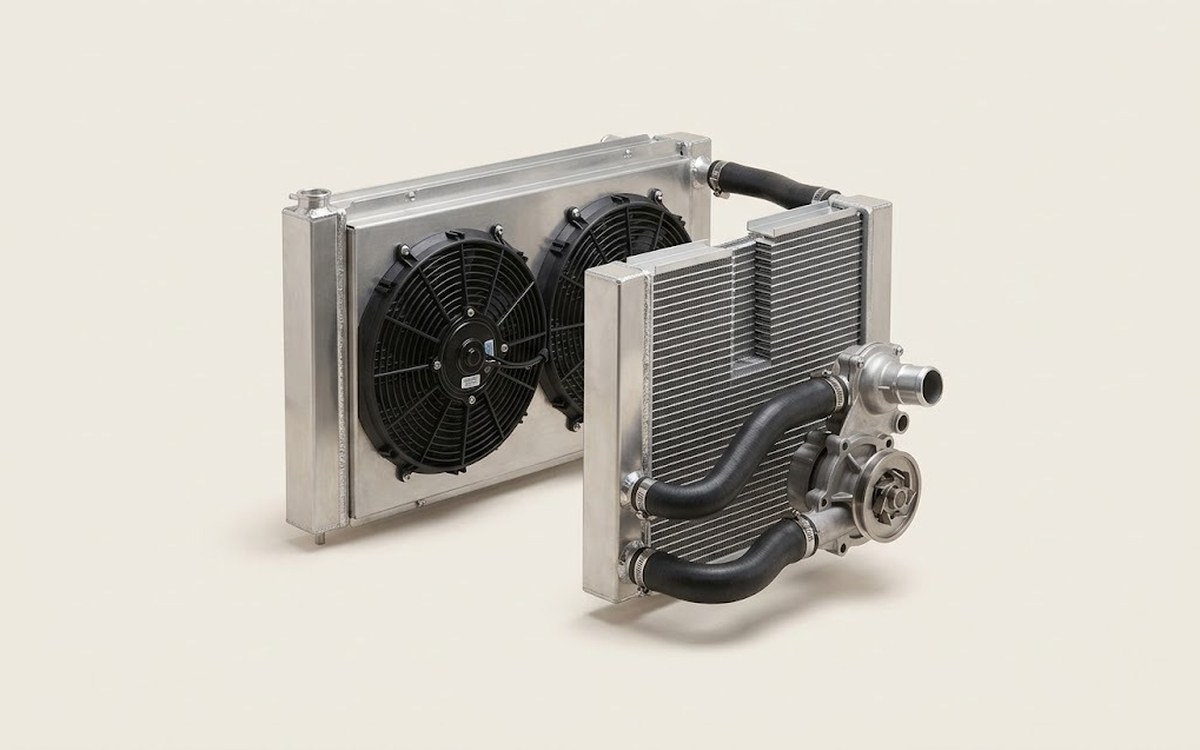 How it works · 3D
How the Engine Cooling System Works
How the part you're working on actually works — in plain English, on a 3D model.
Open in 3D →