Autopapyrus · Lada Iskra (2026) 1.6 16V
https://autopapyrus.com/guides/lada/iskra/replacing-the-manual-transmission-drain-plug-with-a-magnetic-plug/
https://autopapyrus.com/guides/lada/iskra/replacing-the-manual-transmission-drain-plug-with-a-magnetic-plug/
Compiled automatically from service literature and owner experience. Specs are for the typical configuration — check them against your exact car before you start.
Lada Iskra (2026) 1.6 16V: Replacing the Manual Transmission Drain Plug with a Magnetic Plug
I could not find the exact drain plug thread for this model's 6-speed manual transmission in publicly available service materials, so I won't state a figure. Transmissions in this class commonly use metric plugs of about M14x1.5 or M16x1.5, but that is a rough guide, not data for your car. The reliable method is to remove the factory plug and check it with a thread pitch gauge, or test-fit the new plug against it.
Part
- 🔩 Magnetic oil drain plug with the same thread as the factory plug (determine the thread from the factory plug, see below) and a new sealing ring (copper or aluminum washer). Manual transmission oil in the amount that drains out
Step by step
9 steps- Warm up the transmission with a short 5-10 minute drive so the oil is thin and drains completely. Park the car on level ground, set the parking brake, and raise it on a lift or position it over a pit.
- Find the drain plug on the lower part of the transmission case. If necessary, remove the engine underbody shield. Wipe the plug and the area around it clean so dirt doesn't get inside.
- Place the drain pan underneath, loosen and remove the factory plug. Let the oil drain completely. Inspect the oil and the old plug: a fine metallic film on the plug is normal, while large chips or flakes indicate transmission wear.
- Determine the thread. Measure the outside diameter of the thread with a caliper and the pitch with a thread pitch gauge. Take the old plug with you to the store and compare it with the magnetic one. The thread, length and diameter must match. A plug that is too long may hit the gears or other parts inside the transmission, and one that is too short will hold on only two or three threads.
- Make sure the magnet on the new plug does not touch any rotating parts. If the plug is longer than the factory one, do not install it.
- Clean the threaded hole in the case of dirt and old sealant. Install the new plug with a new sealing ring. Start it by hand first so you don't strip the threads in the case (it is aluminum).
- Tighten with a torque wrench. The torque for a factory plug is usually 20-35 N·m (15-26 lb-ft), but use the exact value for your transmission from the manufacturer's specifications. Tighten the magnetic plug to the same torque as the factory one. Do not overtighten: threads in an aluminum case strip easily.
- Add oil through the fill hole (the check plug on the transmission housing) until it reaches the lower edge of the hole. Use the oil grade and viscosity specified for your transmission in the service manual. Tighten the fill plug.
- Lower the car, drive for 5-10 minutes, then inspect the plug area: there should be no leaks. Check the oil level after the transmission has cooled down.
Common mistakes and warnings
- The most common mistake is a plug with the wrong thread or length. Do not force it if it goes in tight: you can strip the threads in the case, and the repair will be expensive. A magnetic plug does not replace regular oil changes. It only collects fine steel particles. Transmission oil can be hot, so wear gloves.
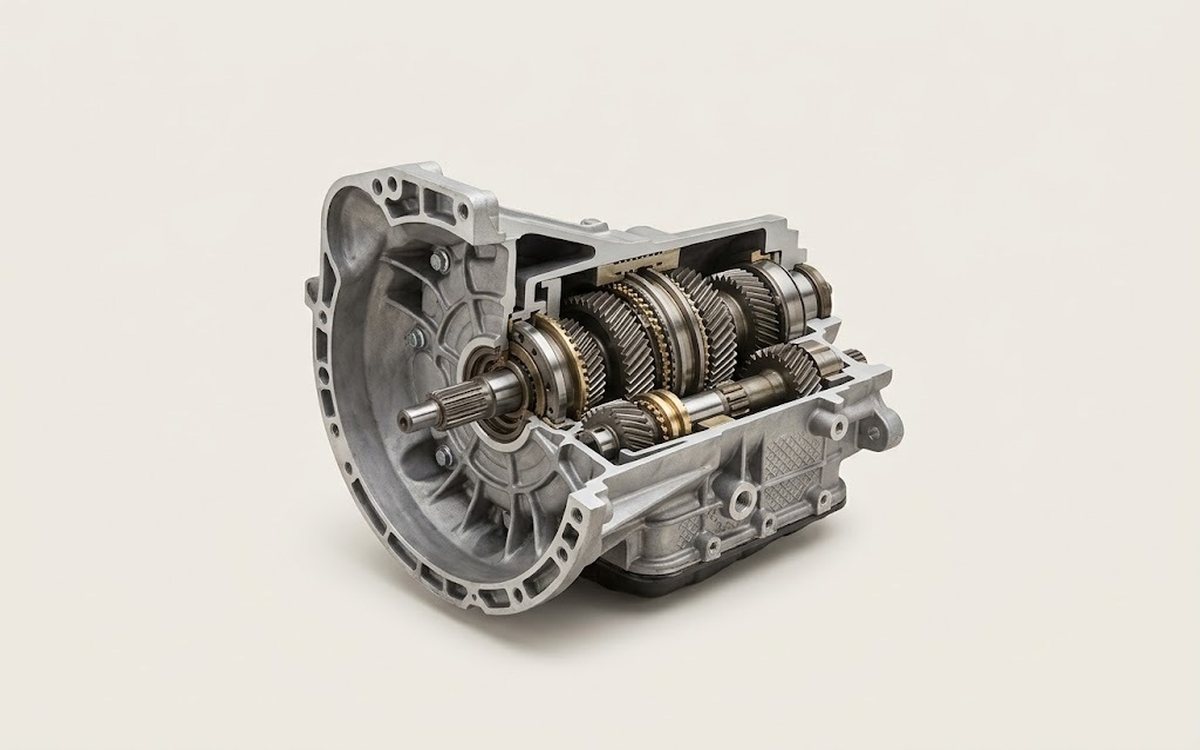 How it works · 3D
How a Manual Transmission Works
How the part you're working on actually works — in plain English, on a 3D model.
Open in 3D →