How it works
19 articles in this section.
 How it works
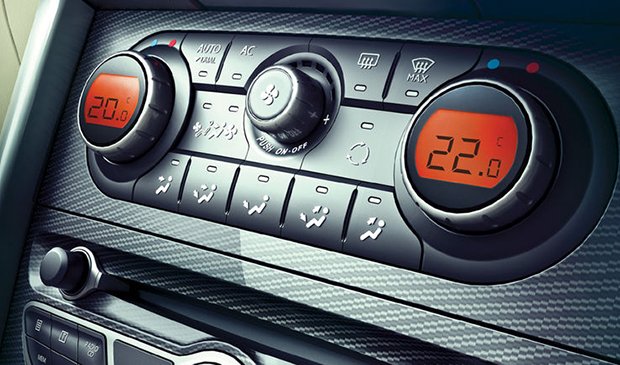
How Does Climate Control Work in Winter?
Virtually all modern vehicles come with a climate control system. Designed to keep the cabin comfortable, it works reliably in both scorching summer heat and freezing winter weather.
 How it works
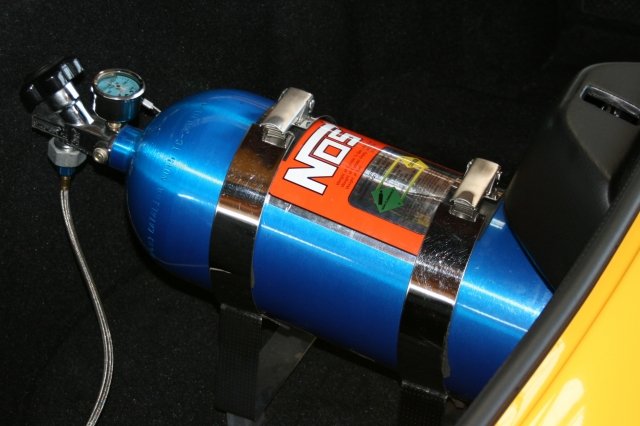
What Is Nitrous Oxide and What Is It Used For?
Nitrous oxide (N2O) is one of the simplest and most effective ways to increase engine power, whether you race your car or just drive it every day.
 How it works
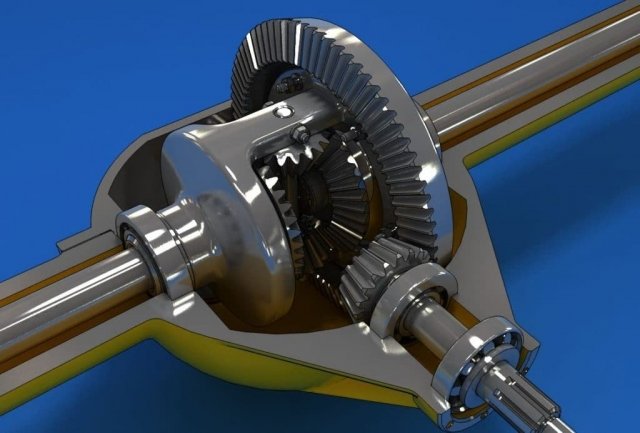
What Is a Differential and How Does It Work?
The automotive differential was invented nearly two hundred years ago. Its design has changed over time, but its core features and operating principles remain the same. Let's look at what a differential is and what it does in a car.
 How it works
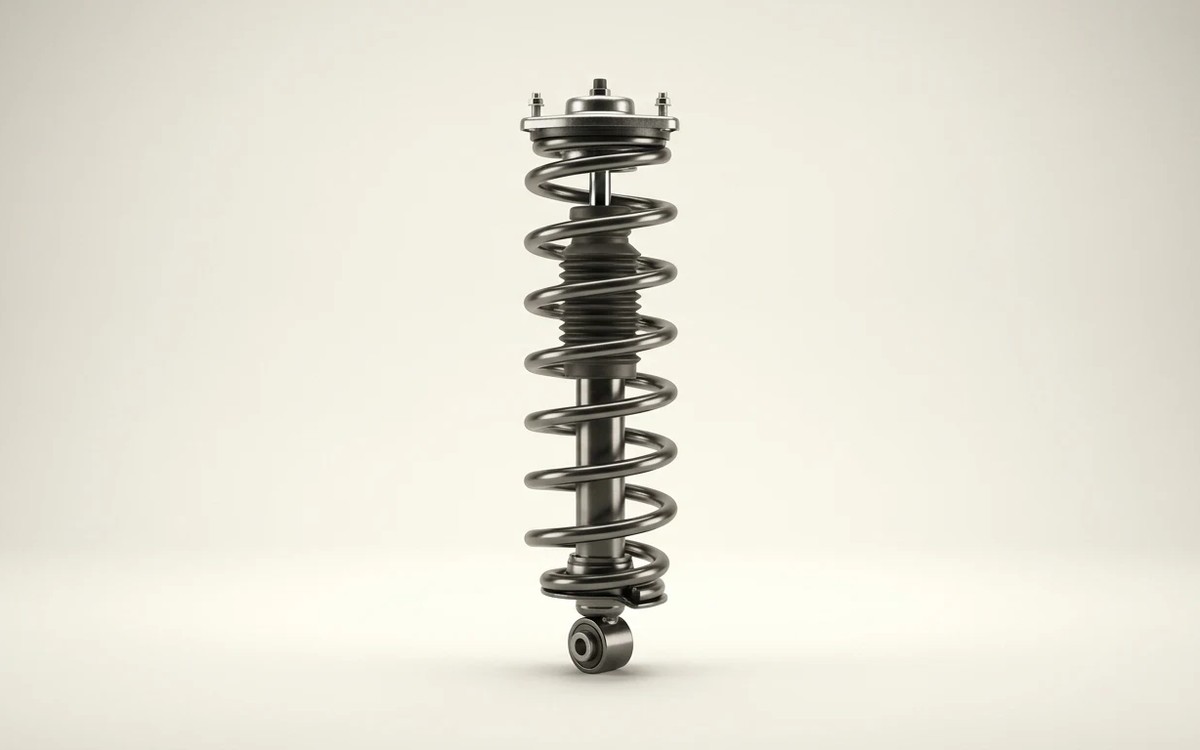
Shock Absorbers: Hydraulic vs. Gas-Charged
Car shock absorbers are usually divided into two main groups: hydraulic and gas-charged. In reality, this classification is somewhat arbitrary, because even hydraulic shocks contain gas (air), which acts as a compensating element.
 How it works
Gas (LPG) Conversions: Myths and Facts. Article 1
Explains the advantages of running an engine on gas (LPG) and how the myth that gas harms the engine got started.
 How it works
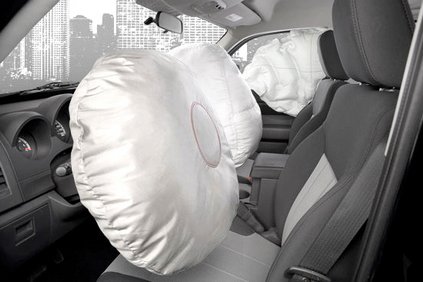
Useful Information About Airbags
Over time it became clear that you can never have too much safety, so engineers began developing additional safety systems. The result was the first airbag: a soft cushion that deploys in a collision.
 How it works
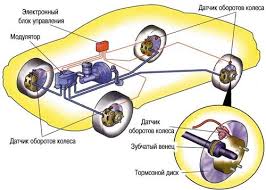
How ABS Helps You Behind the Wheel
The ABS is designed to keep the wheels from locking up completely during emergency braking, when an inexperienced driver often loses control of the car.
 How it works
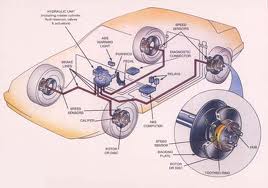
Your Safety Is in the Hands of Modern Technology
We've already covered the anti-lock braking system (ABS), which helps the driver during emergency braking.
 How it works
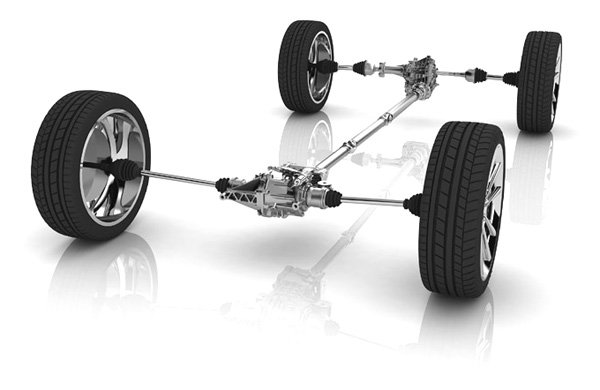
All-Wheel-Drive Systems: Differences and Advantages
Crossovers and SUVs are more popular than ever, and one of their biggest selling points is all-wheel drive. But AWD works very differently from one type of vehicle to another. Let's look at how.
 How it works
All-Wheel Drive: Important Facts You Should Know
Do you need an all-wheel-drive car, how does the price change, and why should your stability control always stay on? Here are answers to some important questions we've gathered for you as spring approaches.
 How it works
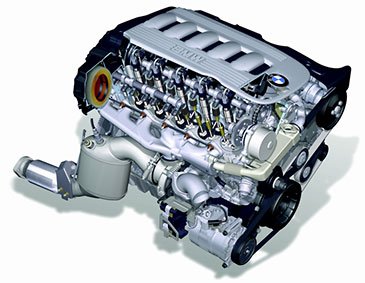
Diesel Engines
A gasoline engine is fairly inefficient, converting only about 26% of the energy from burning fuel into useful work. Its diesel counterpart is more productive, with an efficiency of around 36%.
 How it works
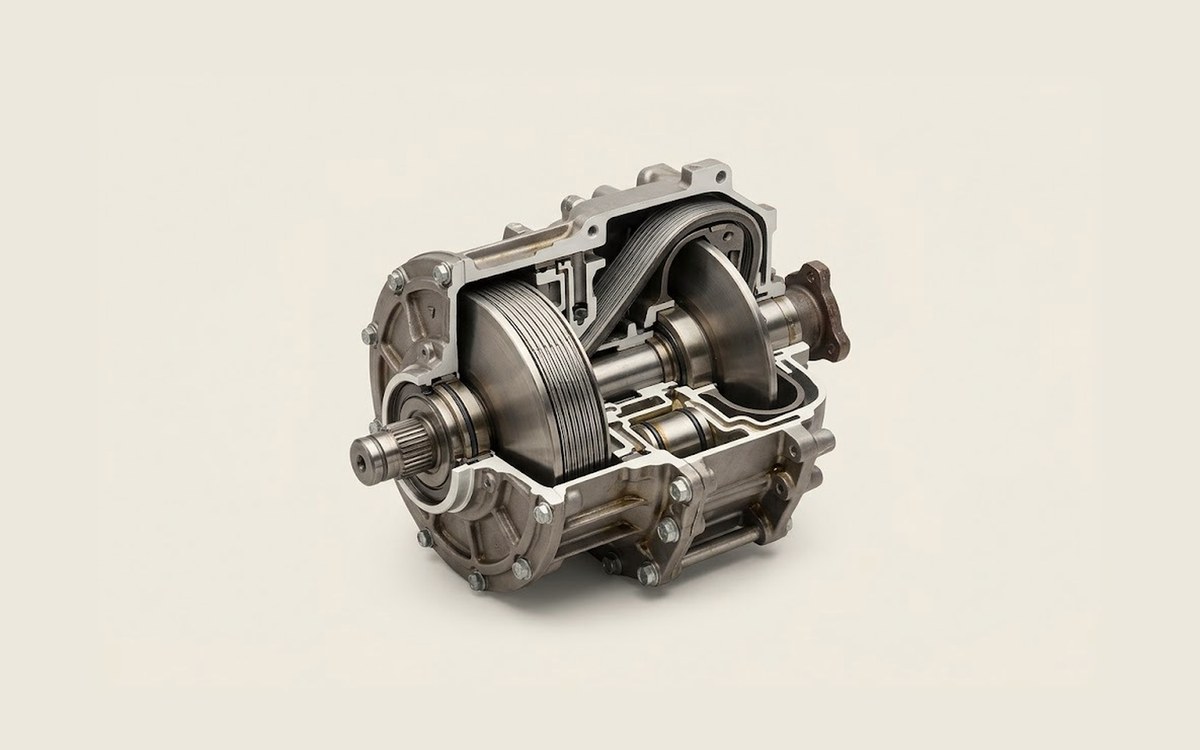
How a CVT works
Two pulleys and a steel belt, smooth ratio changes, oil pressure, pulling away and what wears out.
 How it works
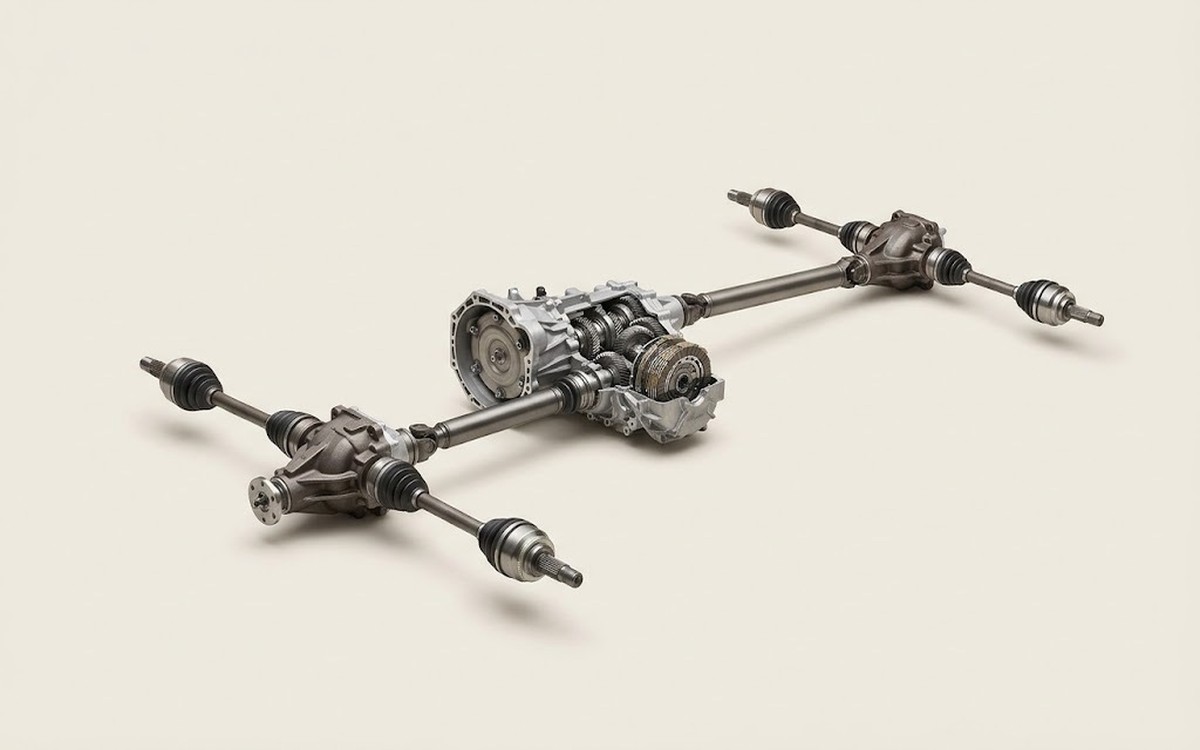
How all-wheel drive works
Transfer case, driveshafts, differential and the multi-plate clutch, three layouts, what fails.
 How it works
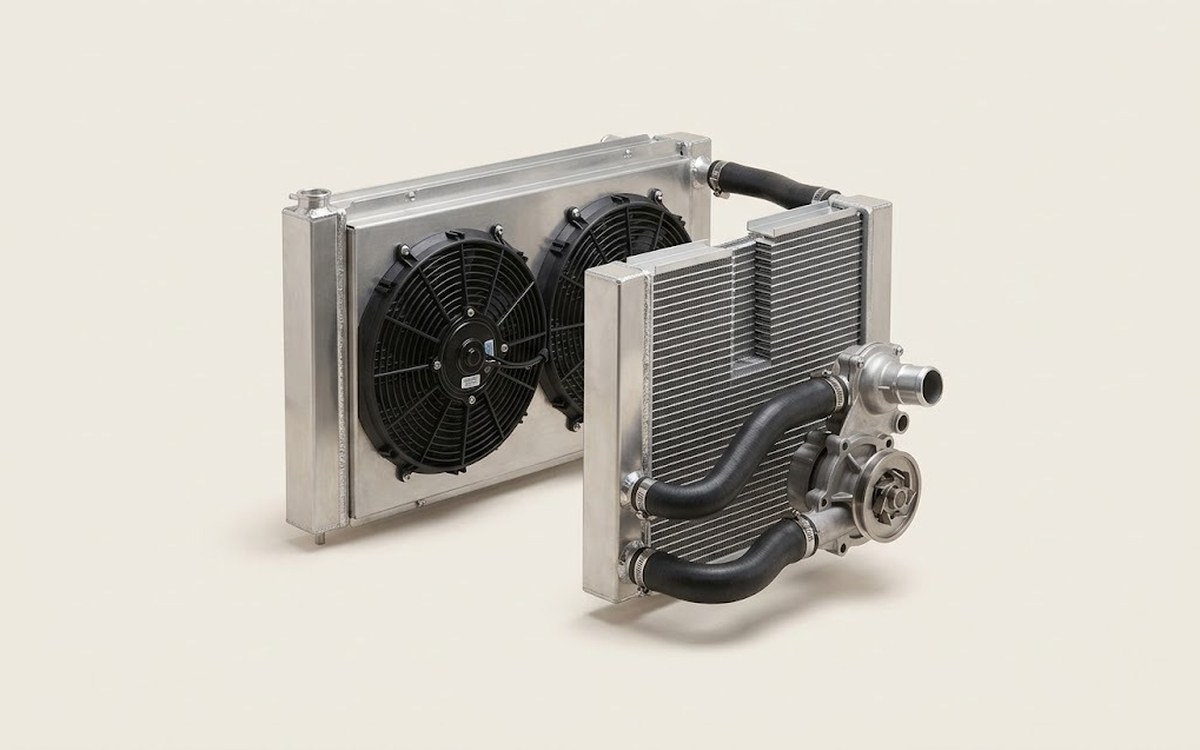
How an engine cooling system works
Pump, thermostat and two circuits, radiator with fan, system pressure, the heater.
 How it works
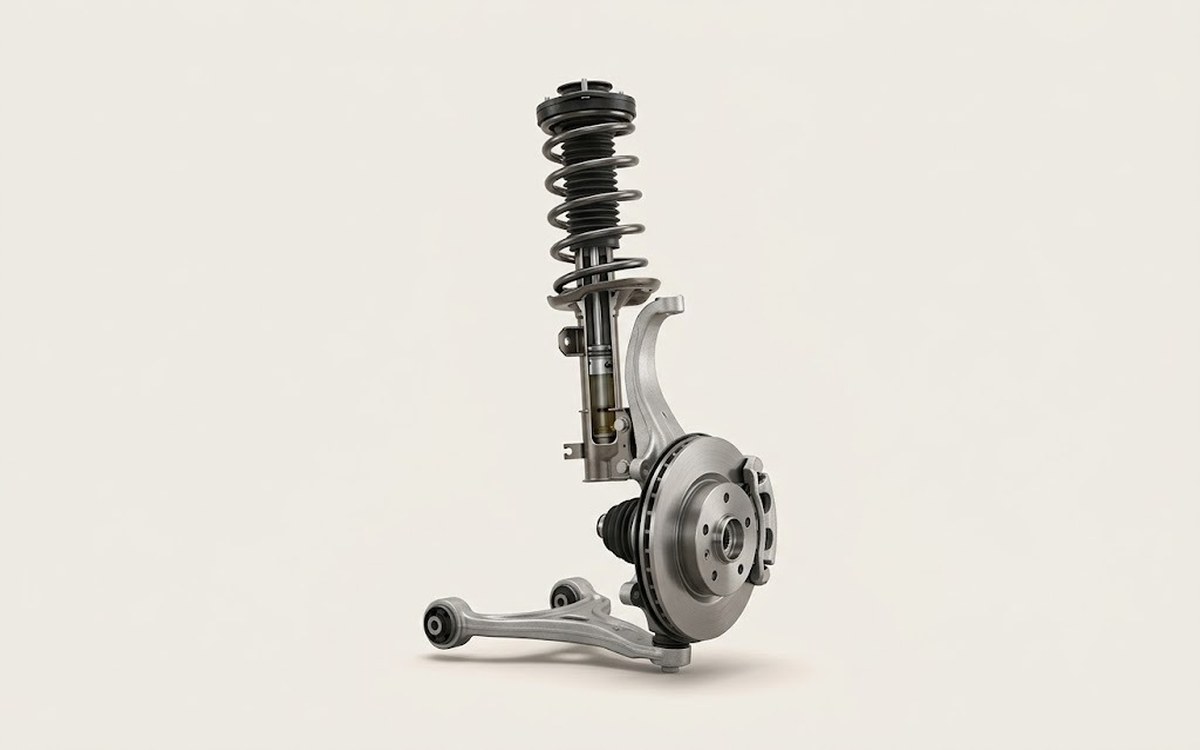
How car suspension works
Spring, shock absorber, control arms and ball joints, anti-roll bar, where knocks come from.
 How it works
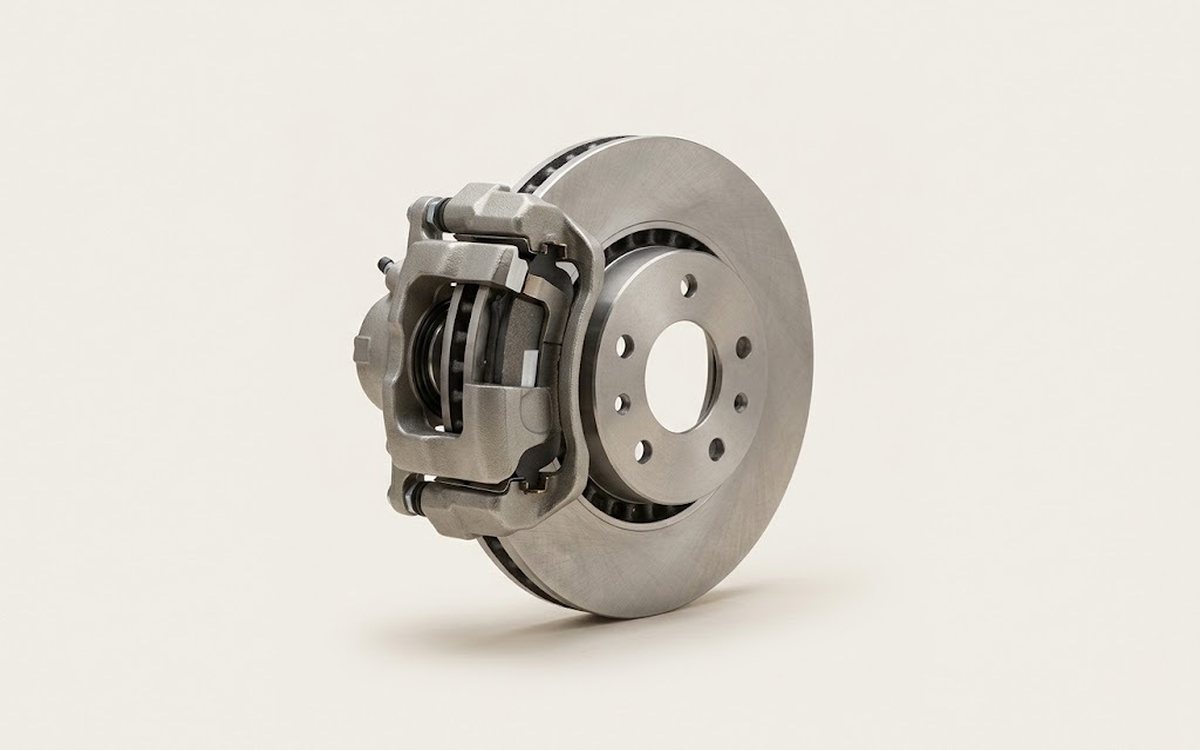
How car brakes work
Pedal and booster, hydraulics, caliper and pads, rotor heat and ABS.
 How it works
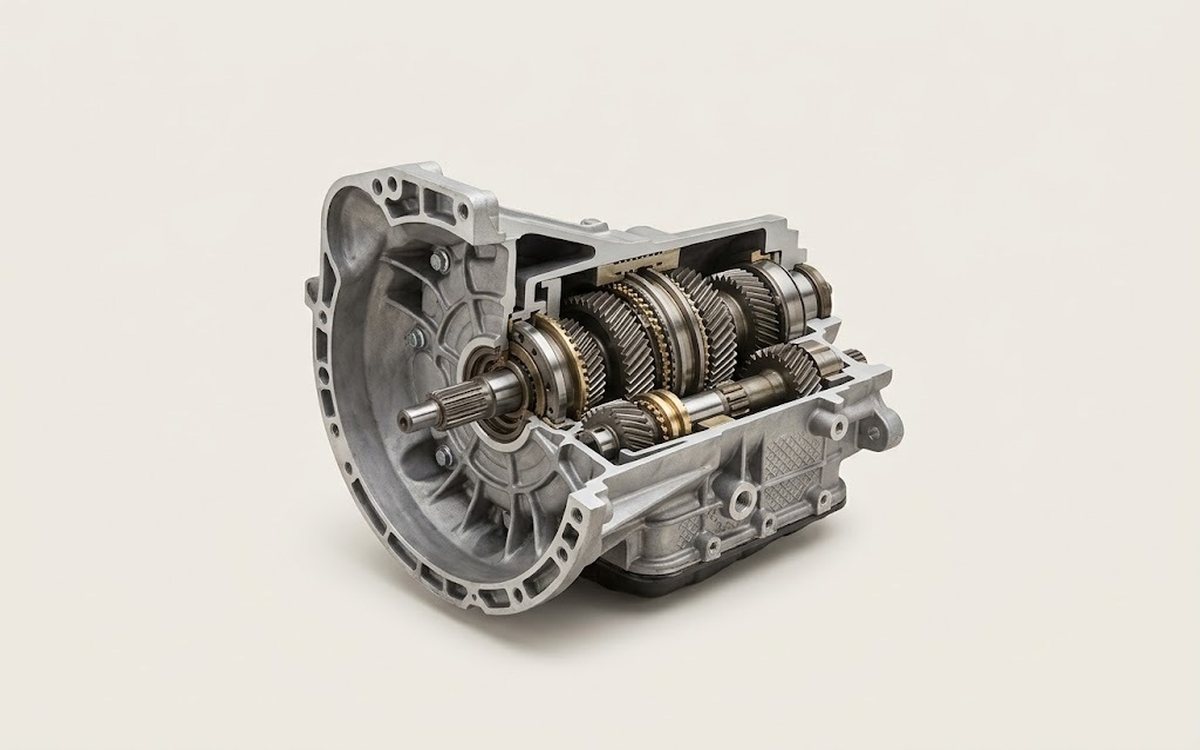
How a manual transmission works
Clutch, gear pairs, synchronizer, reverse gear and differential.
 How it works
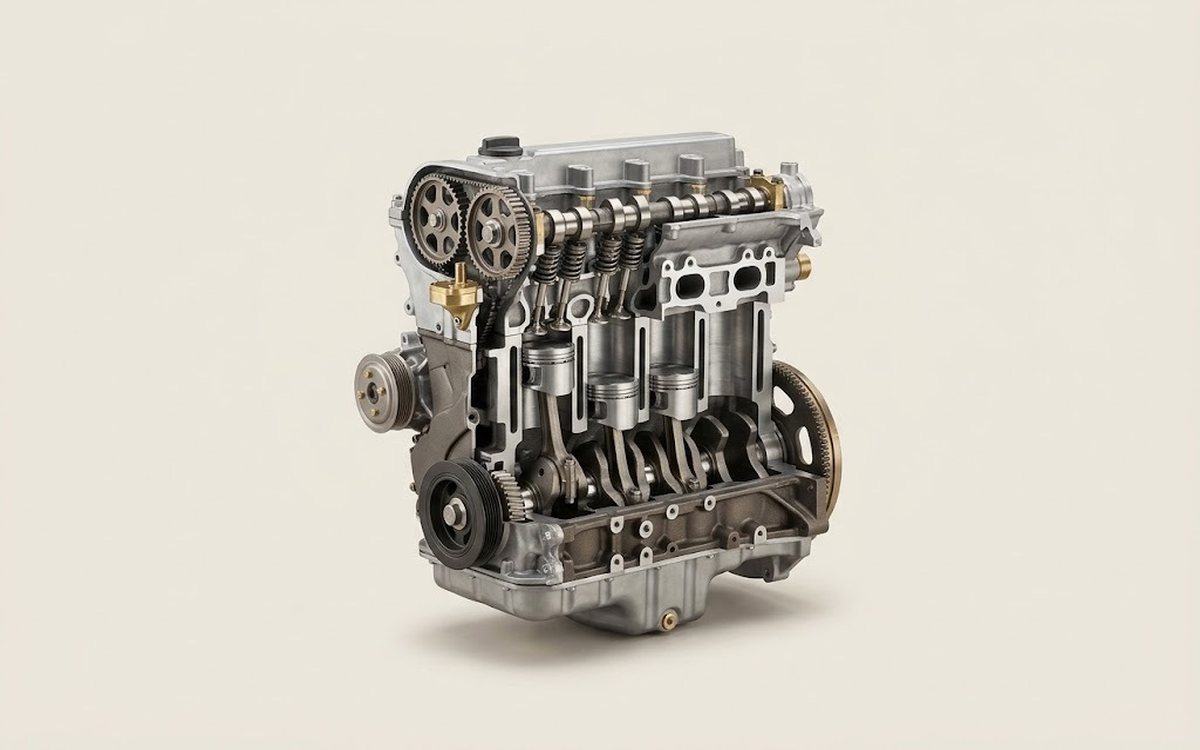
How a car engine works
Piston, connecting rod and crankshaft, the four strokes, firing order.
 How it works
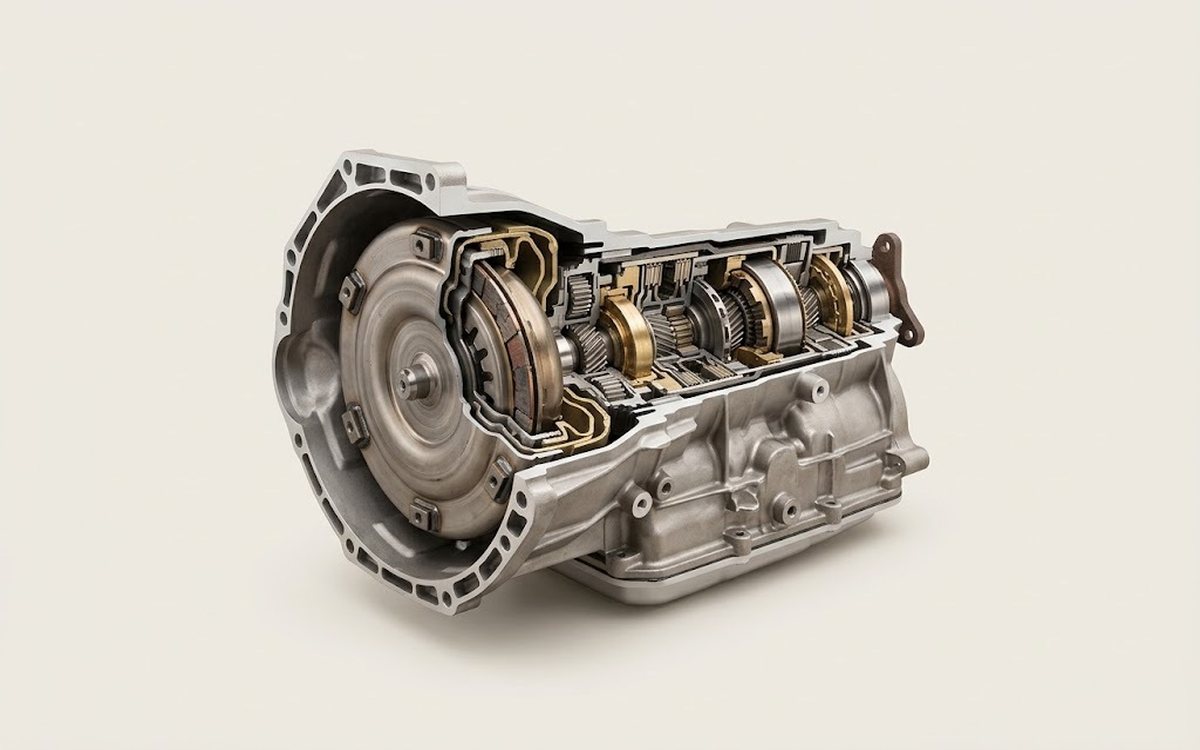
How an automatic transmission works
Planetary gearset, brakes and clutches, torque converter, P, R, N, D.